LogicwellTechnologies

What Are the Main Benefits of Using a CMS Website for Content Creation and Management?

What Are the Main Benefits of Using a CMS Website for Content Creation and Management?

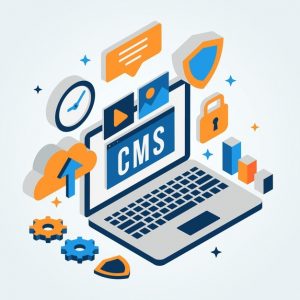
Being able to publish and update content in an efficient manner is the key for any business, since it allows businesses to stay relevant in the fast-paced digital age. This is where CMS (Content Management Systems) comes in. CMS websites enable teams to create digital content and manage it, or make changes to it, without complex technical know-how. These CMS tools can help improve the efficiency of your operations and digital presence, whether you manage a blog, operate an online store, or run a corporate website. 

1. Convenient Content Creation Without Complex Technical Knowledge:

A higher processing speed can be achieved through the intuitive design of the CMS. Most content management systems come with drag and drop visual navigation, and with edit or create it on the fly document construction. This lets the team initiate the creative stage without having to be concerned at all with the underlying processes. It’s simple to format text, upload an image, or deposit a video on a new web page. Because of this, businesses are able to create new website content at an increased rate. 

2. Smooth Workflow and Team Collaboration:

Collaborative, role-based, automated workflows are possible due to a CMS and complex instruction execution systems. One example is when a writer is drafting a document while an editor reviews and approves the text, and an admin simultaneously publishes it, and they are free from stepping into interdependent tasks. Before the document is released to the public, the system contains several checkpoints: revisions and comments, version control, and all other suitable mechanisms. A system like this immensely reduces the number of errors, fosters internal consistency, and enhances overall corporate productivity. 

3. Quick Publishing and Modifying Content:

Updating a CMS website is extremely convenient. Want to change a headline? Update pricing? Add a new landing page? With a CMS, these updates can be made instantly without interrupting the site’s design or functionality. This agility is especially useful for businesses running promotions, updating product catalogs, or publishing time-sensitive announcements. A CMS empowers teams to keep their website dynamic and aligned with current business goals. 

4. A CMS's SEO Capabilities:

An improved SEO visibility can be obtained with a good well-rounded CMS. Editable meta tags, keyword suggestions, clean URLs, templates, and analytics contribute a more supportive SEO. A good number of CMS’s websites add plugins for schema markup, image optimization, XML sitemaps, and other increases of site page speeds. These allow for the non-technical optimization of a site for higher ranking, and the capture of organic traffic. 

5. Ability of Expanding:

Your site needs to grow as your business does. A CMS gives ample of opportunities and flexibility through themes, plugins, and custom modules that allow for the adding of blogs, forms, galleries, promotion codes for e-commerce, and automated systems. Because of this ease of growth, CMS’s are great for very small, to very large company’s websites.

The Bottom Line:

The ability to manage content at a business’s own pace—while maintaining quality, adapting to digital trends, and streamlining workflow with advanced automation tools—makes a CMS one of the strongest long-term digital assets for any organization. This value proposition begins with the CMS itself and continues through an effective post-launch maintenance strategy. You can learn more about this sequence here: post-launch maintenance and support for CMS websites.

Real Business Examples: Bank & Credit Card Reconciliation Gone Wrong and How to Fix It?

credit card reconciliation

Real Business Examples: Bank & Credit Card Reconciliation Gone Wrong and How to Fix It?

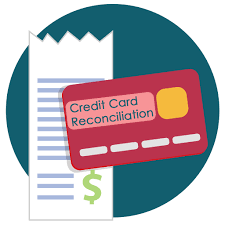
Bank and credit card Reconciling is one of the most important financial tasks for growing businesses. Yet, small and large companies, alike, continue to make mistakes that result in erroneous balances, delays of reporting, and potential compliance issues. Mistakes made in the real world show the ease in which things can go wrong, and the basic steps that can be taken in order to avoid long-term financial issues. 

Here are some real examples of business mistakes in reconciliation and practical solutions.

Example 1: Duplicate Transactions That Inflate Expenses:

A retail company of medium size, realized that their monthly expenses exceeded the predicted amount in their budget. After reconciling the amount, their finance team realized that multiple credit transactions were entered into the system twice, once it is done by an employee manually.

What happened?

  • There wasn’t any synchronization when it came to one-off entries and auto-imports. 
  • There wasn’t a system to check for duplicates. 
  • There was too much dependence on manual bookkeeping.

What needs to happen?
Businesses should have automated reconciliation software to flag duplicates entries, before they get posted. Having a system where all manual entries have to be reviewed a second time can help to remove duplicate data entry. Most importantly, having accounting systems connected to bank feeds directly makes for a much better and cleaner record. 

Example 2: Missing Vendor Charges Leading to Unbalanced Reports:

Growing IT service company ran into a problem where vendor invoices and recorded credit card charges didn’t match. There were a few recurring small payments, for example, software subscription payments, that was missing from the books and made the monthly statements do not match.


What went wrong?

  • There were auto pay subscriptions where there was no monitoring.
  • There was a lack of communication between ops and finance.
  • There was no monthly vendor charge reconciliation.


What needs to be fixed?Make a subscription tracker that can be accessed across departments. Conduct monthly cross checks between vendor invoices, card statements, and accounting system. For charges that are recurring, automated alerts help ensure that nothing goes undetected.

Example 3: Employee Expenses Submitted Late

A construction company had month ends that were chaotic due to field employees being late to submit their expense receipts. When their accounting department started to manage their credit card expenses, they did not have receipts for several expenses, which resulted in missed expenses, confusion, and misuse of reported expenses.  


What went wrong?  

  • Lacking a system for when expense receipts are due  
  • Paper receipts, not digitized  
  • No accountability visit cardholders  


What can we do to fix it?  

Implement a hard-and-fast rule that they are required to submit expenses by a given deadline. Make uploads of digital receipts is a requirement, and ensure cardholders are thoroughly educated on timelines. Automated expense software actually reduces errors and speeds up reconciliation.  

Example 4: Bank Errors That Went Unnoticed for Months:

A small manufacturer was updating their balances when they noticed a bank had mistakenly credited their account instead of debiting it. This error was overlooked for months, and due to the bank not having reconciled their accounts, it caused the manufacturer to have to change their financial reports and caused confusion in their cash flow management.

What went wrong?

  • Irregular reconciliation cycles
  • No bank verification process
  • Overlooked small discrepancies which grew over the time

How to fix it?

Carry out reconciliations every week or month depending on how many transactions there are. Small discrepancies need to be cleared up immediately. Tools for automated reconciliation will bring discrepancies to your attention as soon as the discrepancies appear. 


Why Fixing Reconciliation Matters?

Accurate reconciliation keeps cash flow steady, keeps fraud away, improves reporting, and keeps the finances of the organization stable. Companies that lack automated processes and regular reconciliations cycles will suffer from more expensive problems. For more details on reconciliation, check out this – (https://logicwelltechnologies.com/latest-blogs/best-practices-for-corporate-credit-card-reconciliation-from-policies-to-automation/).

What Are the Top Benefits of Online Reputation Management (ORM) for Growing Brands?

ORM

What Are the Top Benefits of Online Reputation Management (ORM) for Growing Brands?

Before knowing about the benefits of ORM, let’s explore a little bit about it. With the Internet, reputation is built before companies have direct contact with customers. Customers look up companies, read reviews, look at social media, and form opinions in seconds. This is especially true for developing brands, where online reputation can lead to success or failure. This is why ORM is necessary. ORM allows businesses to gain control of and strengthen their online reputation for the good image. 

Increases Reputation and Visibility:

It is easy for customers to trust on brands with positive online reputations. Customers feel confident to choose a brand when they are seeing consistent reviews, prompt responses, and an active online presence so trust factor is also going to be positive mark. ORM helps businesses display their best features, through positive reviews. This is vital for growing brands, as building credibility early in the customer journey helps lay the foundation for long-term loyalty. 

Enhances Customer Engagement and Brand Reputation:

ORM (Online Reputation Management) is much more than replying to comments and reviews, it is all about building meaningful connections. By actively monitoring feedback, mentions, and customer conversations, brands can engage with their audience at the right moments. Prompt responses make customers feel valued and heard and helps in increasing their satisfaction. Plus, when people see positive interactions and experiences, it encourages more customers to join the conversation and share their own feedback.

Improve Negative Reputation: 

There is a strong connection between a brand’s online reputation and its SEO (Search Engine Optimization) performance. Search engines tend to favour businesses with a positive, trustworthy digital presence. 

ORM helps strengthen this by: 


  • Managing negative mentions that can impact search rankings
  • Improving the perception of the brand, leading to increased click-through rates
  • Encouraging and increasing positive reviews
  • Encouraging user-generated content

In the eyes of search engines, the positive correlation happens when a business is active with ORM, and that helps the business to rank higher. For businesses that are in the growth phase, the positive correlation between ORM and SEO can greatly boost the brand awareness organically.

Boosts Social Media Optimization:

Social media is the number one interaction point for companies and their customers. ORM assists Social Media Optimization (SMO) by helping to maintain a clean and active social presence. Streamed social content and positive interactions can help mitigate reputation damage and allow for better engagement. Good ORM turns social transactional engagement into community and brand awareness for a company.  

Defends against Damage Control (or) Reputation Management:

Negative reviews and complaints can affect a business significantly. ORM enables brands the opportunity to identify and resolve issues before they escalate. This is especially important for smaller brands who may struggle to manage their reputation. ORM allows brands to grow without worrying about the unforeseen complexities of the web. 

Supports Recognizable Growth for Your Business:

Because of the positive reputation, ORM allows companies for quality leads to arrive and lower marketing spend due to improved conversion. ORM powers the reputation of the company and positively adjusts every digital marketing approach. This builds a digital presence that allows for continued and sustained real growth and success.

If you want to see how ORM helps get better rankings on searches, you can check this out: https://logicwelltechnologies.com/latest-blogs/improving-search-engine-rankings-through-orm-online-reputation-management/

How to Negotiate a Buyout When Removing a Member from an LLC (Limited Liability Company)?

llc-limited-liability-company-business-financial-concept-business-planning

How to Negotiate a Buyout When Removing a Member from an LLC (Limited Liability Company)?

Removing a member from an LLC is a process with several steps. When it comes to negotiating a fair buyout price, this is a process as well. In simple words, A buyout is a process that should be handled professionally, regardless of whether a member voluntarily leaves the LLC or is removed due to a conflict situation. When negotiating a buyout, the focus should be on value, the terms of the buyout, and the methods of communicating and negotiating with one another to prevent future legal disputes or harm to the business. 

Starting with a Proper Business Value:

When negotiating a buyout with an LLC member who is leaving, the first step is to come up with a value for the member’s business. Without a value, the negotiation can turn murky and could be met with some sideways feelings from both parties.

1. A potential value of the member's business can be determined by taking a look at the following:

  • What the company owns versus what the company owes
  • Historical revenues and earnings
  • Industry competitors
  • Potential future revenues


Many LLCs will use a certified business evaluator. This will help in keeping objective standards so both parties can be confident that they are negotiating at a buyout value that is fair to the market. If the parties already have an operating agreement, it may outline the specific valuation method to be used—whether book value, market value, or a formula-based calculation. This document should be the first one to look to in order to prevent future disputes. 

2. Review the Buy-Sell Agreement or Operating Agreement:

A well-drafted Operating Agreement or Buy-Sell Agreement becomes a crucial roadmap when negotiating a buyout and removing a member from an LLC. 


These documents generally outline important factors such as:

  • Triggering events (retirement, misconduct, death, involuntary removal)
  • Valuation methods
  • Payment schedules or financing terms
  • Restrictions on ownership transfers
  • Additional relevant provisions


If your LLC has these agreements in place, navigating the buyout process becomes far simpler. You can rely on the outlined steps to prevent legal disputes and ensure that all members are treated fairly.

However, if these documents do not address buyouts, negotiations will depend on your state’s buyout statutes and the members’ mutual understanding of the circumstances. 

3. Create a Negotiation Plan:

Approach the negotiation for the member’s interest as a strictly business matter. The process becomes smoother when all parties remain professional and focused on reaching a practical, solution-oriented outcome. 

Tips for Negotiation:

Clear Communication: Maintain open and transparent communication about the business reasons for the buyout while also listening to the departing member’s concerns.

Objectivity: Focus on facts and the terms of the agreement. Avoid personal or emotional discussions that may derail the negotiation.

Flexible Payment Options: To ease the financial impact, the LLC may consider offering installment payments, seller financing, or structuring the payout based on a percentage of future revenue.

Getting legal and financial advice: When a buyout is happening, you want to have protection in regards to state tax laws and protecting your LLC, in this situation, you will have to make sure to look for legal help and tax advice.

Keeping records: When selling a member’s interest, make sure to have the member’s interest payment dates and how you will value the interest and record it all. 

4. Completing the buyout and amending LLC records:

Once you reach a settlement and the buyout is complete, which is the offer to the member as part of your negotiations in the settlement, you will want to have an official record of the member’s exclusion from the LLC, which is an exit, in the form of modifications to your operating agreements by adjusting the ownership percentages or other relevant documents to your state. It helps the LLC to be compliant legally and ensures a proper transition for all the other members. It is vital for all members to be part of the transition and be aware of all systems in the LLC. It is relevant to have an idea of how the buyout member member and how the LLC will stand. 

Speed Optimization for E-Commerce Sites: Tips to Improve Conversion

ecommerce website

Speed Optimization for E-Commerce Sites: Tips to Improve Conversion

The narration ‘time is money’ holds especially true for e-commerce websites. All it takes is a few extra seconds to load a page for a potential customer to abandon the site and lose a potential sale. A study found that e-commerce sites that experience a delay in load time of 1 second see a drop in conversions of 7%. Therefore, for e-commerce businesses that prioritize the customer journey, improving site speed is a non-negotiable. 

Below are some strategies to improve site speed.

1. Improve Perceived Speed with Lazy Loading:

For content-heavy sites, lazy loading is one of the foremost strategies to improve load times. Lazy loading is a technique that allows only the content that is visible to a customer to load, while the rest of the content loads in the background. This allows for a much snappier experience. For e-commerce sites that are image-heavy, lazy loading significantly improves site performance and user experience. 

2. Compress Images without Quality Loss:

While high-resolution product images help in e-commerce, they also need to be optimized or they will slow down your site. The use of modern image formats such as WebP or AVIF allow high quality images to be compressed without losing quality. The use of TinyPNG or ImageOptim is recommended to reduce file sizes even further. In addition to compression, make sure to resize images to the display size required, which eliminates unnecessary data load.  

3. Obtain HTTP/2 For Better Data Transfers:

Moving your site to HTTP/2 is also high impact optimization. This protocol enables the transfer of multiple files (CSS, JS, images, etc.) by a single connection which helps to reduce loading time, latencies overall speed of the site. For and e-commerce platform where multiple assets are constantly available, the ability to transfer data in parallel will significantly improve customer experience. For e-commerce sites, having a secure HTTPS adds to the sites SEO rankings which is a plus and increases customer trust. 

4. Utilize a Content Delivery Network (CDN):

A Content Delivery Network (CDN) stores your site’s files on multiple servers across the globe so that users can access them from the closest location. This dramatically cuts server response time and provides users with consistent loading speeds regardless of where they are accessing the site from. If your online store is global, a CDN is crucial for optimizing performance, managing heavy loads during promotional traffic surges, and minimizing downtime risk.  

5. Continuously Monitor and Benchmark Performance:

Optimizing speed is not a single action, it is an on-going process, and so it is crucial to continuously monitor performance and determine your site speed using Google PageSpeed Insights, GTmetrix, or Lighthouse to set and track your goals. The targets are an LCP of < 2.5 seconds, an FID of < 100 ms, and a CLS of < 0.1. These metrics are critical for improving the user experience and heavily influence your site’s position on searches as well as conversions. 

Conclusion: Performance Equals Profitability:

Optimizing speed on an e-commerce site not only improves customer satisfaction, it increases revenue. Faster sites reduce bounce rates and improve purchase completion rates. Optimizing for performance using techniques like lazy loading, image compression, and HTTP/2 supported CDs ensures your store is accessible and efficient on all devices, from any location.


For a website to achieve sustained excellence, it is crucial to maintain its performance continuously owing to why we encourage on-going support to improve performance after launching a website. For details, please refer to our blog post — How Important Is Post-Launch Maintenance and Support for CMS Websites. 


Essentially, however, e-commerce speed optimization is much beyond the basic principles of reducing load times. It is also about gaining the trust of the customers, refining their experience, and ultimately increasing business revenue through conversions.


How Important Is Post-Launch Maintenance and Support for CMS Websites?  

homepage webdevelopment

How Important Is Post-Launch Maintenance and Support for CMS Websites?

In digital presence, launching a CMS-based website—personal, professional, and eCommerce—is only the start of the journey. Many individuals and businesses believe that once a website is up, the job is complete. However, the real success of a website is determined by continued post-launch support and maintenance for eCommerce sites built on Magento, WordPress blogs, or corporate sites on Joomla. Maintenance will guarantee functionality, security, and scalable growth over time.  

1. Why Post-Launch Maintenance Matters for All CMS Websites?

A Content Management System (CMS) is built with flexibility and control, but that freedom comes with responsibilities. The functionality of a website requires attention to control updates, check plugins, perform security scans, and automate data backups. Maintenance is the main part so that a website does not experience downtime, data loss, or a breach that reduces performance and losing the trust of users while negatively impacting SEO.

For personal websites, maintenance means smooth, uninterrupted navigation, fast loading speed, and an updated online portfolio. For professional or business websites, regular maintenance protects your brand and reputation and ensures content relevance for your users and stakeholders. For eCommerce websites, maintenance is crucial, as it eliminates checkout and payment issues and protects your sales from potential security vulnerabilities. 

The Key Components of Website Maintenance and Support:

Beyond simply fixing bugs, post-launch support is about sustaining performance and enhancing user experience. 

Every CMS website requires some of the following: 

Regular Software Updates: Ignoring CMS platform updates (WordPress, Shopify, or Drupal) and opting out of functionality and security improvements can expose your site to save from risk. 

Security Monitoring: Malware, spam attacks, and unauthorized logins are constant threats. Website security entails preventive measures, including real-time monitoring to protect against breaches, and on-going support. 

Content Optimization: SEO relevance is maintained and improved through the regular updating of blog posts, product pages, and Meta tags. 

Backup & Recovery: Unexpected crashes and cyber-attacks are mitigated through regular backups for quick recovery.  

Performance Optimization: Website speed and responsiveness are maintained through periodic reviews to recover broken links, remove oversized image files, and deactivate out-dated plugins. 

3. The Business Value of Long-Term CMS Support:

From a business perspective, the profitability of a company correlates to the maintenance of a CMS website post-launch. Such websites are faster and easier to access, receive higher search rankings, and provide a frictionless experience to visitors.


Timely updates and 24/7 maintenance support to eCommerce stores directly impacts cart abandonment and boosts conversion rates. For corporate websites, connected content helps brands quickly adjust their messaging as markets evolve. Regular CMS updates for personal sites, profiles, and blogs keep your portfolio fresh and support a strong, positive online presence.


Websites of higher maintenance quality also receive the preferential treatment of Google’s algorithm as active websites. Error-free websites attract increased traffic and gain credibility over time. 

4. The Hidden Costs of Ignoring Maintenance:

The risk of poor post-launch maintenance goes beyond technical liabilities. Un-updated plug-ins, for instance, limits a website’s core functions, while slow and stagnant web pages frustrate and drive away users. Unmonitored websites are also a target for hackers, leading to costly protection and liability spending. Many of the repair costs and lost opportunities due to poor post-launch support often are much higher than support. 

Conclusion

In the contemporary world driven by the rapid developments of the internet, website development is a continuous process, even after the website is launched. All types of CMS websites- personal, professional, or eCommerce, need maintenance and support after launch to ensure security, performance, and growth optimally and sustainably. Maintenance plans need to be reliable, as they ensure the website is up to brand standards, and is properly optimized for the site objectives.  
 

If you’d like to understand more about picking the appropriate CMS website development partner for your company, please consult our comprehensive resource: How to hire the best Content Management System (CMS) based website design and development company for affordable business growth.

How SMO Improves Engagement and Website Traffic

seo logicwell technologies

How SMO Improves Engagement and Website Traffic

Social media is now one of the most important channels for engagement and site traffic. In fact, Social Media Optimization (SMO) is one of the most important practices used in digital marketing. Used correctly, SMO works alongside SEO, and supports PPC, while maintaining a consistent identity across a brand’s digital touch points. It is a key practice for attaining marketing goals and improving conversions.   

1. What Is Social Media Optimization (SMO)?

Social Media Optimization (SMO) uses platforms like Facebook, LinkedIn, and Instagram to promote and connect to your audiences and elevate content visibility. While posting content and advertising is a practice of SMO, the true practice lies in the engagement strategies and profile optimizations to convert and retain users. 

In marketing terms, SMO is the link between Social Media Marketing and SEO. It boosts audience reach and content engagement. It also builds authority and trust on social platforms and through search results.

2. Effects of SMO on Search Results:

Developing a complete SMO strategy will most likely improve how search engines rank your business profile or website. Even though social signals (likes, shares, and comments) aren’t direct ranking signals, they can help gain SEO (Search Engine Optimization) traction. When your social media posts start getting traction, backlinks, brand mentions, and user engagement begin to flow, which builds domain authority and makes the content more visible to search engines.

Regular posting and consistent interaction with the audience increases the number of brand searches on Google, which tells search engines your business is credible and relevant. This increases your SEO and your online reputation.

3. Using SMO to Increase Site Traffic:

Engagement with social media posts and users visiting the site to get more info, encourage SMO to get the direct qualified traffic to the site. Social posts that are optimized with strong CTAs (calls to action), powerful images, and relevant hashtags can help attract the ideal audience to landing pages and blog posts. 


In addition, social site traffic and engaged users at specific campaigns can help create metrics by using tracking tools like UTM parameters and Google Analytics. This info is very helpful to improving a strategy in time. 

4. Assisting PPC and Other Marketing Efforts:

A benefit of SMO that often gets neglected is how it backs PPC and other online advertising. Having active and optimized social accounts, increases familiarity with the brand. This makes the audience more likely to click the ads. In addition, social interaction offers engagement for ads, re-targeting people who have interacted with their ads, social posts, or even their website.  

Strong SMO combined with SEO and PPC creates an impenetrable digital ecosystem that reinforces brand pillars and maximizes the ROI of the digital efforts.   

5. Driving Brand Loyalty:

Aside from the traffic, SMO builds real engagement through conversation, feedback, and community. When businesses respond to comments and provide insights, followers become loyal customers. Engaged followers also become brand promoters, amplifying reach and exposure.  

Conclusion

Effective Social Media Optimization is much more than posting—it focuses on the integration of all the digital marketing elements to improve SEO, PPC Aid Campaigns, and make a real connection with the audience. Social activities foster engagement and traffic, improving the brand’s overall visibility on the internet.

To better understand the role content plays in your marketing strategy, take a look at this read — What Is the Difference Between Content Marketing and Social Media Marketing?

LLC vs. Sole Proprietorship: Which is Right for You?

llc-limited-liability-company-business-financial-concept-business-planning

LLC vs. Sole Proprietorship: Which is Right for You?

Beginning a new business entails a number of significant challenges. Among them is probably identifying the most appropriate business structure. For small business owners, the Limited Liability Company (LLC) and Sole Proprietorship are two of the most common options. Each structure has benefits, but the decision is a function of your goals, risk tolerance, and objectives for the future. To help reach the best decision, we describe the major differentiators between the two. 

1. Understanding the Basics

The Sole Proprietorship is the simplest business structure. One person owns and runs the business, and there is no legal separation between the owner and the business. This also means that the entire profit goes to the owner, but so do all the obligations and liabilities of the business.


In contrast, an LLC is a distinct legal entity. LLCs provide limited liability, meaning that a business owner’s personal belongings, like a house and car, are protected from the business’s legal troubles and debts. This structure is the most ideal, and combines the simplicity of a sole proprietorship and the liability protection of a corporation.

2. Liability protection

The principle difference between an LLC and a proprietorship is liability. 


  • In a Sole Proprietorship, the person operating the business carries all the responsibility. The owner’s personal belongings can be seized if the business gets sued or gets debt to pay. 


  • In an LLC, the owner’s personal belongings is shielded by liability. The creditors can only go after the business assets, and can’t obtain the owner’s personal belongings. 


If any of the risks (financial, legal, operational) involved in your business can go operational, an LLC will be your best shield.  

3. Taxes and Financial Flexibility

For both business structures, the owner’s business profits and losses can be reported on the personal tax return, meaning the owner does pass-through tax. LLCs just offers greater tax flexibility. 


  • In the Sole Proprietorship, the owner is taxed once, but will pay self-employment taxes on all profit. 


  • In the LLC, the owner can choose how they want to be taxed, which will be classified as a sole proprietorship, partnership, S corporation, or C corporation. This will give more control and greater tax saving. 


If you anticipate growth in your business, or if you are planning on adding business partners, the tax flexibility of an LLC makes it a better scalable option. 

4. Setup and Maintenance

Starting a Sole Proprietorship is cheap and easy. Just register your business name and you can start. For an LLC, you need to file Articles of Organization, pay some state fees, and create some records to keep. Even though you will have to deal with a little bit more paperwork, an LLC will have legal protection and more credibility.

5. Credibility and Growth Potential

Having an LLC means you have more credibility, and your business will be seen as more professional. That can help you win some contracts or even form some partnerships. A sole proprietor is good for someone working as a freelancer, a consultant, or a very small business. An LLC is better for someone who wants to grow their business. 

Conclusion

Everything depends on your business goals, balance sheet, and how much risk you want to take. For more simplicity and as you’re starting small, a sole proprietorship will do. For more scalability, tax flexibility, and liability protection, go for an LLC.


Finding and modifying an LLC structure can sometimes be tricky. For more information, check out — How Does Removing a Member Change an LLC Structure?

The Complete Guide to Mobile App (Application) Development for Businesses

mobile app development

The Complete Guide to Mobile App (Application) Development for Businesses

In this day and age, having a mobile application is no longer a luxury, it is a necessity. All businesses are using mobile apps to improve customer engagement, improve the ease of operations, and improve their brand recognition. Whether you’re a startup or an established enterprise, understanding the mobile app development process will assist you in taking strategic decisions in order to maximize your digital investment. This is the only guide on mobile app development for businesses you will ever need, taking you through all the phases of your app — conception, launch, and beyond. 

1. The Importance of Mobile Applications for Businesses:

Mobile applications offer unparalleled proximity and constant accessibility to a business. Mobile apps are essential to businesses in all fields, including logistics, healthcare, and finance, increasing reach, and enhancing user communication and experiences. Mobile apps improve customer relations, and also provide intelligent, data-centered insights to improve decision-making processes. The immense value of customer-facing mobile applications is the unrivaled accessibility and responsiveness to customer needs in real time.


The Key Stages of Mobile App Development:  

For developing a business mobile application, there are critical steps that have to be strategically aligned for performance, scalability, and usability.  


  • Planning and Strategy: Every mobile application must have a purpose and function. Knowing your core features, who your audience is, and what your business goals are, will help streamline your app’s purpose and be aligned with your business goals.  
  • UI/UX Design: Interface and user experience design focuses on creating an intuitive, appealing, and user-friendly design. Good design enhances engagement, and helps decreased frustration.  
  • Development: This is where the fun part is! You can choose between developing hybrid solutions, cross-platform, or focusing on a native app built to one of the consoles either for Android or iOS.  
  • Testing: Quality assurance is done to ensure that the experience is seamless by validating that the application has no bugs, security issues, and performs well on a variety of devices.  
  • Deployment and Launch: After being approved, the app is deployed and made to users through Google App and Apple App stores.
  • Maintenance and Updates: Every application will need to be supported and have systems that will be constantly updated to fix issues or to add new features with the help of new OS versions for gadgets. 

Selecting Suitable Technology and Platforms:

Choosing the right technology stack would determine how well the app performs and understanding the difference between the two types of apps would help. Native apps are usually the best performing apps and can access advanced features of the devices but would require 2 separate developments, iOS and Android. Cross-platform frameworks, like Flutter and React Native, would allow you to develop faster and save costs by using one code base to develop multiple platforms. This all depends on the budget, audience, and needed functionality.

Having a Business Mobile App:

Mobile apps that are designed well allow the following and more:

  • Promoting the brand and earning the customers trust
  • Increment in the engagement and improving the customers loyalty
  • Increasing profit with sales on the app or in-app purchases
  • Direct communication for the customers with push notifications
  • Increase the support for customers and operational efficiency

Advanced features such as chatbots, real time analytics dashboards, and tailored recommendations, would allow the businesses to increase the user experience, satisfaction, and retention.

Selecting Appropriate Development Partners:

Selecting the right development partners would determine the success of the app and the help of a trust worthy team, such as Logicwell Technologies, would ensure that the design and all the other aspects such as coding and optimization are done accurately and in alignment with the business goals.

A mobile app changes how you connect with your customers, streamline your processes, and future-proof your business. For more information on how apps can strengthen customer relations, you can check out this read — 10 Ways a Mobile App Can Improve Customer Engagement.

Improving Search Engine Rankings Through ORM (Online Reputation Management)

ORM

Improving Search Engine Rankings Through ORM (Online Reputation Management)

A brand’s presence in the digital age can determine its success or failure. While most businesses obsess over the standard Search Engine Optimization (SEO) practices, such as link building and keyword optimization, they tend to ignore one vital aspect: Online Reputation Management (ORM). ORM protects your brand reputation, but it can also help to improve your positioning for the search engines. Let’s see how managing your reputation positively impacts, how you show up on Google and other search engines. 

ORM includes monitoring, and shaping how your brand shows up on the digital space, and you can even improve it. That includes managing online reviews, responding to feedback, writing positive pieces, and countering negative mentions. ORM also ensures that when people search for your brand, they see positive trust-forming and credible information.


ORM works with your SEO because it shows to search engines that you are a credible trust-worthy source. Constantly and consistently maintaining a positive reputation shows your brand credibility, and helps in improving your ranking on search engines. 

2. ORM and SEO: A Perfect Combination:

ORM and SEO work together. While SEO tries to pull the traffic and visibility with keywords and backlinks, ORM enhances your online reputation by ensuring that content associated with your brand remains positive and relevant.

Here’s how ORM helps with SEO:  

  • CTR (Click-Through Rate): Positive reviews and appealing search snippets make users more likely to click your link, boosting engagement and improving overall search performance.
  • Brand Authority: Publishing valuable content, blogs, and testimonials builds audience trust and strengthens your brand’s credibility with search engines.

• Negative Search Results: Proactive Online Reputation Management (ORM) helps suppress negative or misleading results by creating and optimizing high-quality content that ranks higher. 

3. Managing Reviews and Ratings:

Customer reviews play a vital role in both ranking and reputation. Search engines like Google view user feedback as a sign of trust and credibility. Responding to reviews—positive or negative—demonstrates professionalism and a commitment to customer satisfaction. This practice strengthens your brand authority and boosts local SEO performance. Encouraging happy customers to share genuine feedback is equally valuable. 

4. Making, Managing, and Posting Content:

Your ORM and SEO activities depend on the content that you publish. The content should be consistent, positive, and informative. Blog posts, press releases, and case studies that highlight your expertise should also be created. This not only helps with keyword visibility but also assists with defending the narrative about your brand. When you provide positive, relevant, and useful content on your site and on third-party sites, you are likely to beat your rivals and push down negative content about you.  

5. Social Media and its Effect on the Brand:

Social media plays a vital role in how search engines perceive your brand. Posts and interactions on platforms like LinkedIn, Facebook, and X (formerly Twitter) enhance your online authority. Effective ORM ensures your brand remains consistent, professional, and well-managed, ultimately supporting your SEO efforts.

To Wrap it Up:  

Having a solid Online Reputation Management tactic is important now more than ever because it helps maintain your search engine rankings. Integrating ORM with your SEO activities allows your customers and other business entities to trust you. This trust allows you to grow in a more profitable and sustainable manner.  

To understand more about the value that reputation holds, check out this resource — What is the Importance of Online Reputation Management (ORM) for Any Business.Â