LogicwellTechnologies

On-Page vs. Off-Page SEO (Search Engine Optimization): What’s the Real Difference? 

seo logicwell technologies

On-Page vs. Off-Page SEO (Search Engine Optimization): What's the Real Difference? 

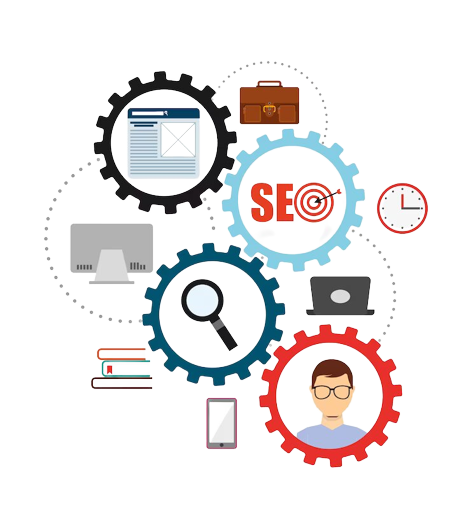
SEO helps in improving the visibility of your website in terms of traffic and brand presence. But to execute Search Engine Optimization (SEO) strategies, you need to perform a combination of strategies, either On-Page SEO and Off-Page SEO.

What is On-Page SEO?

On-Page SEO is all about the activities performed within your website to position it better in search engine ranking and improve user experience. It involves both the content and the HTML of the pages. 

Some of the most common practices of On-Page SEO are:

Keyword Optimization: Adding relevant keywords to your headings, content, and metadata to help search engines understand your page.
Title Tags and Meta Descriptions: Well-written, keyword-rich titles and descriptions that get more clicks from the results.

Content Quality: Informative, interesting, and original content that effectively answers the user query.

URL Structure: Meaningful, descriptive, and relevant URLs that match the content of the page.

  • Internal Linking: This is linking to other related pages on your site so it’s easier to navigate your site and manage where your link authority sits.
  • Page Speed and Mobile Friendliness: This is making sure your site loads quickly and is easy to use on other devices.

On-Page SEO, when done correctly, will make your site easier to understand for search engines and more attractive to your visitors, which will likely increase your rankings.  

What Is Off-Page SEO?

Off-Page SEO is the opposite of the on-page activities. It is more about activities to improve your site’s credibility your authority and your reputation around the web.

The basic components of Off-Page SEO include:  

  • Backlink Building: Earning the right backlinks and from the right sites that will signal to search engines trust and relevance.
  • Social Media Marketing (SMM): Sharing your site on platforms like Facebook, Instagram and even LinkedIn to increase your content engagement rate.
  • Brand Mentions and Reviews: Mentions of your brand outside your website and social media — such as on forums, directories, or blogs — help strengthen your online presence.
  • Guest Blogging and Collaborations: Putting content on other sites to get new audiences and backlinks is a form of collaboration.

Basically, Off-Page SEO is focused on building the authority and reputation of your site around the web. Search engines look at this as a sign of trust.

The Key Difference — and Why Both Matter

On-Page and Off-Page SEO differ primarily in the location of the optimization On-Page SEO focuses on improving your website internally while Off-Page SEO builds credibility externally.  

For example, On-Page SEO focuses on creating optimized, keyword-rich pages, while Off-Page SEO involves gaining backlinks and building brand recognition to help your website rank higher. However, even strong Off-Page SEO signals cannot compensate for poor, un optimized content or unresolved technical issues on your site.

When combined, On-Page and Off-Page SEO create a powerful, well-balanced strategy that captures the attention of both users and search engines — strengthening your online presence and driving sustainable growth.

To analyze the growth potential of SEO on your business, check our guide, What Does Search Engine Optimization (SEO) Mean and How Does It Help Your Business

How to Handle a Dispute During the Removal of an LLC Member?

llc-limited-liability-company-business-financial-concept-business-planning

How to Handle a Dispute During the Removal of an LLC Member?

With an LLC, the removal of a member isn’t usually a straightforward process. Transitions might represent a problem for any of the parties involved, which can result in conflict, animosity, or even litigation. Whether it be a financial issue, a management position conflict, a breach of contract, or other legal conflict, knowing how to handle a dispute during the removal of an LLC member is essential to the protection and preservation of order and stability within the company.

I will explain the steps necessary to resolve conflict within the company and maintain the legal order of the state in which the company was established.  

1. Begin With the Operating Agreement:

During any member-related dispute, the operating agreement is your first source of support. It will likely reference how to remove a member, what defines a removable member (for example, a non-performing or offending member) and the appropriate steps to handle a dispute.

If your LLC has a complete operating agreement, you will want to adhere to it,

Which may contain? 

  • The removal voting rights,
  • The departing member share buyout agreement, and
  • Specific mediation and or arbitration clauses which reference the resolution of the conflict.

If the agreement does not provide sufficient details, state law will apply, which may not be ideal and will depend on the LLC’s state of incorporation. 

2. Keep Open and Professional Channels:

Communication breakdowns often lead to problems between members. Prior to involving other parties, make direct and open conversations your first step in problem-solving. Convene an official gathering with all parties to assess the problem, articulate their positions, and arrive at a sensible resolution.


Consider the following suggestions:


  • Behave rationally and do not engage in heated disputes.
  • Record all conversations, and keep accurate minutes of all meetings.
  • Concentrate on the business dispute at hand, not other personal issues.

Open and rational conversations can help avoid costly litigation. 

3. Mediation and Arbitration:

If direct discussions fail to resolve the dispute, the next step is to engage in structured negotiations designed to minimize confrontation and promote resolution.

Mediation: A neutral third party facilitates communication between the disputing members and helps them reach a mutually agreeable solution.

Arbitration: A neutral arbitrator reviews the dispute and makes a binding decision based on the evidence and arguments presented.

Both mediation and arbitration are often used as part of a progressive dispute resolution process that may ultimately include litigation if earlier efforts are unsuccessful. Typically, Mediation, Arbitration, and Litigation occur in that sequence, ensuring each step fulfills the requirements outlined in the arbitration or dispute resolution agreement. Every such agreement generally mandates that mediation be attempted before proceeding to litigation.  

4. Analyze Financial and Ownership Documentation:

Disagreements related to the removal of a member often occur regarding financial contributions made and the distribution of ownership and profits. To resolve these issues, a comprehensive financial review should be conducted to ensure that all figures are equitable and just. 


Some aspects that should be reviewed are: 


  • Records of capital contributions and withdrawals.
  • Profit and loss statements.
  • Remaining balances of loans and reimbursements.
  • Depreciation of the exiting member’s ownership interest.

Documenting these aspects helps to prevent disputes from arising and fortifies your case if legal action is necessary.  

5. Consult a Lawyer:

In removals that are ambiguous or highly contentious, obtaining legal advice becomes necessary. A qualified business lawyer can interpret the operating agreement, assist in ascertaining adherence to applicable state laws, and safeguard your business interests in negotiations or litigation. 


They can also assist in revising contracts or creating new agreements as a means of addressing related issues that may re-emerge in the future. 

6. Maintain Business Operations:

In the direction of a dispute, all basic business activities should be maintained. Protracted disputes can easily damage the reputation of the business and have a negative impact on staff, clients, and customers. 


In order to accomplish this, efforts should be made, to the extent possible, to: 


  • Share all relevant information with employees.
  • Memorize and assign all relevant, interim duties to staff.
  • Adapt all client activities so that no commitments or deadlines are missed.

Demonstrating a commitment to professionalism and maintaining stakeholder confidence is vital while managing a dispute.  

7. Safeguard Your Interests with Adequate Documentation:

If disputes end up in court, well-prepared documentation will save your LLC. For each dispute, track all communications, decisions, and their resultant outcomes. Evidence that you provided meeting notices, recorded votes, and settled on finances will demonstrate your compliance with the agreement and the applicable state law. 

All documentation serves to protect your LLC in the future. 

Conclusion

The removal of a member from an LLC will require patience and professionalism and conscientious adherence to all relevant laws and contracts. Operating agreements, reasonable communications, mediation, and legal consultation are vital components in the effective resolution of disputes and in the preservation of your business. 


To ensure that all measures are in place to streamline the member removal process, please refer to our related guide on Checklist for Removing a Member from Your LLC

What Does a Full-Service Digital Marketing Agency Actually Do?

ecommerce website logicwell technologies

What Does a Full-Service Digital Marketing Agency Actually Do?

In today’s digital environment, merely having a few social media posts or a website isn’t enough for a business to stand out. Businesses require the cohesion of multiple marketing approaches to create and sustain visibility and engagement. This is where a full-service digital marketing agency steps in — providing an all-in-one solution for establishing and managing your brand’s online presence in its entirety. 

Here is a full-service digital agency’s integrated approach to helping businesses grow.

1. Search Engine Optimization (SEO): Building a Strong Organic Foundation

SEO is essential to all digital marketing services, offered by any full-service digital agency. It is the process of making your website more valuable to search engines like Google. Agencies conduct detailed keyword research, and on-page and off-page optimization, perform technical audits and do content alignment to ensure your site gets quality traffic.

A solid SEO plan comprises: 

  • Improving site speed, fixing crawl errors, and correcting meta issues (Technical SEO)
  • Developing blog posts and landing pages centered around specific keywords (On-page SEO)
  • Acquiring backlinks and local citations (Off-page SEO)

Over time, this approach generates organic traffic and enhances brand trust and conversion rates.  

2. Social Media Optimization (SMO) and Social Media Marketing (SMM): Creating Conversations That Convert

SMO and SMM strategies narrow the distance between your brand and customers through attention-capturing social content. 

  • SMO (Social Media Optimization) focuses on profile optimization where consistent branding, relevant keywords, and engaging design elements are applied.
  • SMM (Social Media Marketing) involves content development, campaigns, and paid ads on social platforms like Facebook, Instagram, LinkedIn, and X (Twitter).

A comprehensive digital marketing agency implements both organic and paid SMM strategies to enhance reach and engagement. For example, an awareness campaign may blend organic posts that highlight your brand’s culture with paid ads that direct users to a landing page. The impact? A unified brand experience that enhances engagement and drives sales.  

3. Content Marketing: Storytelling That Builds Trust

Content marketing is the bridge between your brand and your customers. It’s not just about writing blogs; it’s about creating meaningful content that educates, entertains, or aids your audience in problem-solving. 

A full-service digital agency develops an entire content marketing strategy that consists of: 

  • blog articles for building authority and increasing SEO,
  • web pages that converts visitors into customers,
  • email newsletters for relationship nurturing, and
  • case studies, eBooks, and videos for deeper engagement.

Agencies ensure that each word fulfills a strategic function by integrating content with SEO, social media, and paid advertisements. 

4. Web Design and Development: Your Digital Storefront

Your website is often the first impression potential customers have of your business. A digital agency doesn’t just create visually appealing sites — it designs functional, user-friendly, and conversion-oriented websites. 

Key aspects include: 

  • Mobile friendliness and intuitive navigation
  • SEO and speed optimization
  • Analytics, CRM, and lead tracking tools integration

A business launching a new product, for example, might have a customized landing page designed with SEO-focused content and social media integration. This creates a seamless user journey, moving from clicking an ad straight to a checkout page.  

5. Analytics and Reporting: Turning Data into Action

The most effective marketing decisions are driven by insight, not by guesswork. Full-service agencies utilize Google Analytics, Search Console, and advanced dashboards to analyze the performance of every campaign that gets run.


They analyze: 


  • Traffic sources and audience behavior.
  • Conversion rates and ROI from the SEO or SMM campaigns.
  • Content and ad engagement metrics.


Businesses want to analyze campaigns to know what works. They are also helped by understanding what needs to be improved to yield better results. 

6. Integrated Campaigns: How Everything Works Together

The true value of a full-service agency is the ability to seamlessly integrate all of these services.


Consider the scenario of a new product launch: 


  • The web design team creates a landing page.
  • The content marketing team writes persuasive copy and develops blog posts.
  • SMM boosts traffic through paid and organic campaigns.
  • Analytics assess user behavior, conversion, and ROI.

Every team collaborates to deliver a cohesive brand experience while achieving target outcomes.

Conclusion

It builds systems for sustainable growth, it does not only “run campaigns.” It provides an SE, SMO, and SMM, content marketing, web design, and analytics and creates an all-encompassing digital ecosystem for enhancing visibility, pushing engagement, and optimizing conversions It does not only “run campaigns.” It builds systems for sustainable growth. By providing an SE, SMO, and SMM, content marketing, web design, and analytics, it creates an all-encompassing digital ecosystem for enhancing visibility, pushing engagement, and optimizing conversions. 


When your business is ready to scale with an integrated marketing approach, a full-service digital agency changes your online presence from scattered efforts to a focused, strategic success. 

Checklist for Removing a Member from Your LLC:

llc-limited-liability-company-business-financial-concept-business-planning

Checklist for Removing a Member from Your LLC:

Limited Liability Companies (LLCs) come with various advantages such as flexibility and the shielding of personal assets, and the ability to have multiple owners or members organized in a simple structure. That said, there are issues when a member wishes to leave, or when a member must be removed for personal reasons, disputes, or a business’s change in direction. Removing a member from your LLC may appear simple; however, there are a host of legal, financial, and operational issues that must be addressed to enable the business to continue without interruption.

This checklist will help illustrate the various key tasks which will enable you to remove a member from your LLC.

1. Review Your Operating Agreement:

The first and most important task will be to review your LLC’s operating agreement. It should detail the procedures that will govern the membership changes, record the procedures for resignations and buyouts, and note the protocols for a forced removal. Some agreements will set out a voting arrangement and others will provide a buyout provision for a member who wishes to leave. If your LLC does not have an operating agreement, the process of changing membership will generally be governed by state law.

2. Comprehend State Guidelines:

Each state has its own distinct laws governing the conduct of limited liability companies and the removal of their members. Some jurisdictions permit the removal of members with a simple majority while others necessitate a unanimous decision. Understanding these regulations is necessary to avoid noncompliance. Consulting with a qualified attorney is generally a good idea to ensure that all state-specific needs are satisfied. 

3. Conduct an Official Vote:

Typically, an official vote is required to remove a member. Even if the operating agreement doesn’t require it, the company should record the vote and the results. Maintaining these records is a precaution and promotes transparency to the remaining members.

4. Draft a Buyout Agreement:

A buyout agreement defines the terms of separation and describes how the business will compensate the former member for their ownership stake. This agreement should define the business valuation, payment structure, and any future engagement limitations. 

5. Amend Legal and Financial Records:

Once the buyout is completed, update your LLC’s legal and financial records to encompass the changes in membership. This includes revising your operating agreement, modifying ownership shares, and updating any contracts or agreements where the previous member is assigned. 

6. Notify the State:

In most cases, LLCs are required to either amend their Articles of Organization or submit an amendment once a member is removed. Timely submit any required paperwork to your state Secretary of State or equivalent agency. Having paperwork out of date or missing can lead to issues or penalties. 

7. Adjust Tax Records and Bank Information

Tax records and bank account details must reflect the adjusted ownership. Inform the IRS, update your Employer Identification Number (EIN) account, and adjust bank signatory records to remove the exited member so they can no longer monitor or access outside accounts. 

8. Inform Internal and External Stakeholders:

At last, having completed all legal and financial actions required, formally inform your employees, partners, and stakeholders of the change. Effective communication preserves trust and enables all members to grasp the new organizational framework of your LLC. 

Final Thoughts:

Carefully planning and executing the removal of a member from your LLC is a necessary step. Your checklist identifies how to minimize business disruption and protect it, including reviewing your operating agreement, understanding the relevant state laws, documenting your votes, crafting a buyout agreement, and revising all legal and financial documentation.

At Logicwell Technologies, it is important to understand that the combination of seamless procedures and appropriate record keeping will sustain positive business expansion. Just as careful planning is important for changes in your business structure, other business functions, such as the protection and management of your digital property, must be equally well safeguarded. For further reading in this area, see our blog on safeguarding your e-commerce site

How to Keep Your E-Commerce Site Safe?

ecommerce

How to Keep Your E-Commerce Site Safe?

When it comes to e-commerce stores, there’s a ton of responsibility that comes with it. Each day, clients give your business sensitive private documents, and if there’s a breach, it doesn’t only affect your revenue, but it affects your brand. That’s why safeguarding your online store is not optional, and it is a priority.

Every e-commerce business, sites safe and build trust.

1. SSL Certificates and HTTPS:

One of the first builder activities steps to take to secure your e-commerce website is getting an SSL certification. An SSL encrypts protected documents that stream between the user and the user’s server. Cybercriminals will not be able to obtain your essential information like credit card numbers and logged credentials when SSL is active.

When SSL is present, your site will switch to HTTPS and display a padlock. For e-commerce, HTTPS is a must.

2. Safe Payment Gateways:

Having a safe payment gateway is essential for safe online transactions. You need to make sure that your customers feel safe while entering their credit card and payment information. Well-known payment processors like Stripe and PayPal and your banks use smart encryption and fraud protections to defend your customers and your business. 


You should also avoid keeping card information on your servers and gateways. This minimizes your potential risk. 

3. PCI DSS Compliance:

The Payment Card Industry Data Security Standard (PCI DSS) is an international standard that protects businesses who manage card payments. Protection includes: 


  • Encryption of cardholder data.
  • Secure network management.
  • System monitoring and secured provision.

For e-commerce stores, PCI DSS compliance is more than a box to be checked. It is an essential business standard. 

4. Rapid Security Assessments:

Cybersecurity should not be a one time project. Your defenses should expand as threats evolve. This is usually done Security Audits. 


These audits assess your potential security breaches, which include: 


  • Reviewing your website code.
  • Reviewing your server and database alignments.
  • Reviewing security on any third-party plugin or extension.

When you deal with problems before they happen, you lower the risk of a security breach, and your customers will not experience any interruptions in service.

5. The Secure Development Practices:

The first step to any security measure is safe coding. Having secure coding standards will help avoid SQL injections, cross-site scripting (XSS) attacks, and weak authentication. For your system to be safe, you can also work with trusted development partners like Logicwell Technologies, so that they will develop your system with security in mind.


Your developers will also have to promptly apply any system updates and patches, as older versions of CMS platforms, plugins, and even themes can be used to execute a cyber attack. Defensive security that is strong, will help your system remain secure. 

6. Educate Your Team and Customers:

Technology can only go so far in ensuring security. People have to abide by the rules too. Your team will have to be trained on recognizing any phishing attacks, proper customer data handling, and other safe practices like logging in. Having strong passwords, along with other measures like multi-factor authentication (MFA) will be useful and encouraged. 

The Reason Security Is a Continual Step in Your Business Growth:

A secure e-commerce site only will protect customer information, but gives a sense of trust as well. Customers will definitely want to go back to a site where they feel safe. In fact, security investments boost customer experience, and sales growth. This will ease secure and sustainable business growth.

When you’re building or improving your online store, you have to think about security too. It’s just as important. You can read more about it in our guide on Selecting Your E-Commerce Technology Stack.

The same goes for when you’re hiring a CMS-based web design and development company. Make sure they are flexible enough to accommodate growth, and incorporate security. You can check our blog for more on How to Hire the Best CMS-Based Web Design and Development Company for Affordable Business Growth. 

Final Thoughts:

Securing an E-Commerce store goes beyond the digital realm. A significant part involves trust, image, and reputation, and the potential to grow in the future. SSL, HTTPS, secure payment gateways, PCI DSS, check-ups, and secure development are all indicators of an online store that is safely positioned for growth.


When your customers trust you, it makes your store more competitive. 

What Is Social Media Optimization (SMO) and Why It Matters? 

The Ultimate Guide to Social Media Optimization (SMO) for Business Growth

What Is Social Media Optimization (SMO) and Why It Matters? 

Today’s businesses must no longer depend on a website or traditional advertising. Customers now spend time on Facebook, Instagram, LinkedIn, and X (Twitter) for hours every day. This is where Social Media Optimization (SMO) is important. It is the practice of optimizing the content and social media profiles for better visibility, engagement, and traffics to the company website. To cite companies like Logicwell Technologies and other numerous businesses, SMO is a competitive necessity.

Understanding Social Media Optimization (SMO)

It entails much more than just posting pictures or updates. SMO aims to achieve the goal of creating a unified and cohesive presence on various platforms. This unified presence must communicate the desired value of the brand, the voice, and the vision. The essence of the SMO content must seek to streamline the process for users to discover, share, and derive value. 


SMO in its essence entails: 

  • Well-optimized social media profiles and unified branding
  • Right keywords and hashtags for higher visibility
  • Sharing of relevant content like articles, videos, and infographics
  • Stimulating shares, likes, and interactions to boost visibility


Properly executed, SMO functions as a link connecting your social presence to your broader digital marketing strategy. 

Why SMO is Important for Businesses:

  1. Increased Brand Visibility: Compared to traditional search engines, social platforms can be considered search engines of their own. By optimizing your profiles and social posts, your brand can increase chances of being displayed to prospective customers when they search for your services. For businesses like Logicwell Technologies, this means ensuring visibility to customers seeking contemporary solutions. 
  1. Increased Quality Traffic to Your Site: Contrary to random site visitors, SMO attracts potential customers interested in your services. Social posts with hyperlinks to your site and engaging captions lead potential customers to your services, which helps generate leads and increase conversion rates. 
  1. Increased Customer Engagement: Social media allows businesses to directly communicate with their audience. Customers interact with social posts through likes, shares, and comments, revealing their preferences and helping businesses understand their audience.
  1. Positive Influence on Search Engine Rankings: SEO optimization and Social Media Rankings are often regarded as two separate entities without considerable impact on one another. Social Media strategy and optimized Social Media Profiles will impact SEO and will provide some positive returns on your domain authority. For instance, your website’s domain authority will rise as Social Media and Social Website shares rise.
  1. Economic strategy for the Growth of Brand Awareness: Social Media Optimization as a form of advertising will always remain cheaper on the market. Developing proper Social Media strategies will allow smaller businesses to develop brand awareness for the business and compete with bigger companies for market share without the need for costly investments. 

Practical Steps to Start with SMO

  • Audit your Social Profiles. All information like logos, business descriptions, and contacts should remain updated and be consistent across the platforms.


  • Engaging Content Formats. Use a mix of visuals, videos, infographics, and blogs to keep your audience engaged.


  • Hashtags Wisely. Relevant hashtags extend the audiences of your posts.


  • Encourage Sharing. Create content with emotional resonance to motivate sharing.


  • Track and Analyze. Monitor your posts and optimize strategies based on engagement. 

Concluding Remarks

The purpose of Social Media Optimization is not simply to occupy social media space, but to occupy it strategically. With the optimization of your profiles, content, and practices of engagement, you build visibility, foster brand loyalty, and cultivate business growth. Social Media Optimization is arguably the most effective means of audience engagement, whether it be for an e-commerce business like Logicwell Technologies, service provision, or for any other industry. 

For more information, take a look at our blog on In What Ways Can Social Media Optimization (SMO) Enhance Your Brand Image.  

How to Hire the Best Content Management System (CMS) Based Website (Web) Design and Development Company for Affordable Business Growth?

web development

How to Hire the Best Content Management System (CMS) Based Website (Web) Design and Development Company for Affordable Business Growth?

These days, it is crucial for a business to have a powerful online presence. A website does not only serve the purpose of attracting buyers, but it also assists in retaining such customers. A powerful tact that can be used to achieve such a goal is a content management system, or a CMS. However, for a business to fully capitalize on a CMS, it must be careful in selecting the right CMS Web Design and Development Company. Below is a guide on how to make a reasonable decision which is also beneficial to the business growth. 

Recognizing the Role of CMS in a Business’ Growth:

CMS is an application that enables users to build, organize and change content on a site without having to use complicated technical skills. Users can update a web page using the interfaces of website content management systems such as WordPress, Joomla, and Drupal.

The benefit of a content management system for any business includes: 

  • Reduced business costs: Open-source CMS platforms generally require lower development expenses. Additionally, the availability of pre-designed templates and plugins further minimizes investment costs.
  • Internal Task Simplification: Under CMS solutions, intuitive dashboards permit staff devoid of technical expertise to single-handedly manage website content, lessening the need to involve developers to make routine updates.
  • Improvement: The seamless evolution of your business website, powered by the CMS, make sure that increasing traffic and additional features are effectively accommodated.

Having the right development partner is essential to fully leverage the benefits of a CMS, and the following steps will guide you in making the best choice. 

1. Check Company’s Credentials:

Evaluate track record of the company in CMS-based website design and development. Then need to review their portfolio to assess the quality and the range of their work. For example, Logicwell Technologies has a proven history of designing custom CMS solutions that are tailored to diverse business needs. 

2. Check Company’s Skills:

Kindly make sure that the company has expertise in the CMS platforms relevant to your requirements. They should have to be capable of custom theme development, plugin integration, website performance optimization, and SEO implementation.  

3. Comprehend Their Strategy:

Professionalism is reflected in a structured and transparent development process. The company should set clear expectations, provide timely project updates, and remain open to incorporating feedback throughout the project lifecycle. 

4. Think about On-going Support After Launch:

To sustain the functionality of the website over time, continuous maintenance and periodic modifications are needed.  After launch, the website should function without issue, therefore, “post launch sustainment” support should be a part of the maintenance agreement.  

5. Examine Testimonials and Case Studies:

Client testimonials and case studies offer insights into the company’s reliability and the quality of their work. Positive feedback and documented project success further validate the firm’s capabilities.


How a Website Can Be CMS Based and Still Be a Tool for Expansion without Business Strain? 


The following are the reasons CMS based sites enhance business without putting a strain on the budget: 

– Boosted Customer Satisfaction: A CMS based website which is well designed offers seamless transition which increases dwell time and depth of page which increases the chances of a conversion. 


– Increased Marketing Reach: The SEO tools or plugins available with a CMS help in achieving better search engine rankings, increasing visibility, driving more traffic, and boosting website and product or service engagement.


– Increased Profitability: Reduced development time and the added advantage of earlier site launches translate into quicker profit cycles for the business.


– Minimal Operating Expenses: CMS platforms, with their lower costs and reduced development requirements over time, deliver exceptional value. 

Conclusions:

Selecting a CMS based Web Design and Development Company that fits your budget is equally important, as it directly impacts on the online future of your business. With a company like Logicwell Technologies, you can have your website developed to meet all the essential requirements in a cost-effective way while supporting the future growth of your business. For a complete understanding of how a CMS can benefit your business, read our latest post – How a CMS-Based Website Can Help Your Business Grow at a Low Cost

How A CMS (Content Management System) Based Website Can Helps in Business Growth At A Low Cost?

website development

How A CMS (Content Management System) Based Website Can Helps in Business Growth At A Low Cost?

Let’s explore how a low cost CMS based website can help in your business growth:

In present time digital business world, a professional website is not an option but a requirement for the business and for the professionals too. It’s also the first impression of a company to potential clients. With CMS development platform, managing a website is really very easy. Development Team of Logicwell Technologies focuses on using CMS platform for cost effective web development and to educate clients on how to minimize costs and growth of their business by professional and cost effective website.

Why opt for a Content Management System (CMS) based website?

A Content Management System (CMS) enables you to efficiently create the content on the website, allow you to manage it, and can update the content on the website with ease and flexibility. Users with no particular technical knowledge will find popular CMS platforms like WordPress, Drupal and Joomla, these CMS platforms are extremely user friendly as they provide a lot of flexibility with a simple set of features. Unlike traditional static websites which always require complex coding for even minor updates on the website, users can easily edit the text, can upload files, and add can new pages on the website within a few minutes. For businesses that want to maintain an online presence without having to pay for technical help, a CMS based website is the perfect option for them.

Affordable Website Development Solution:

The value for money is arguably the most important factor to consider for a CMS based website. Unlike building a site with no prior structure, developing it with a CMS is a lot easier and quicker. This is because CMS websites make use of a pre-designed theme, various plugins, as well as a wide range of altered features so its plan and packages for the website development are very affordable. For the small size businesses and start-ups, you can establish a presence without having to spend too much money and it is possible with the help of CMS based website development.

One-Time Investment, Lifetime Benefit:

A website that utilizes a Content Management System (CMS) technology is just a one-time investment that can yield long term benefits. After development, a website can continue to grow and change with the needs of a business. When a company grows, it can add new features, tools, and even redesign the entire layout of a company’s website without having to redevelop it. This flexibility can help companies significantly, cut costs and ensure that their digital platform grows with their business.

Easy Maintenance and Updates:

CMS websites can reduce the need of technical professionals for basic maintenance and updating. CMS based website owner can change the homepage banner of the website and upload a new blog on the website without hiring a developer or a professional. This lowers costs, but also allows companies to react to shifts in the market, customer needs, or new promotional opportunities. 

SEO and Marketing Advantages:

Many websites that utilize an easy to use CMS also come equipped with a number of search engine optimization (SEO) features. Sites built with proper CMS technology includes SEO tools, mobile optimization, and other features which can substantially improve a website’s search engine ranking, resulting in higher visibility, increased traffic, and lower advertising costs associated with the business growth. 

Conclusions:

The equilibrium between price and expansion is best expressed by the CMS integrated website. With the lower development costs, the website works as a valuable lifelong asset that enables a business to remain competitive in the digital domain. Logicwell Technologies helps its clients with designed, scalable, competitively priced CMS websites to unlock this value. The potential of the website is best appreciated as a step towards future accessible and steady development.

What is the Role of Pay Per Click (PPC) Advertising Within a Digital Marketing Strategy?

ppc-digital-marketing

What is the Role of Pay Per Click (PPC) Advertising Within a Digital Marketing Strategy?

The Role of Pay Per Click (PPC) Advertising Within a Digital Marketing Strategy

As the world of business continues to change, a marketer should try to build awareness amongst potential customers through all channels, increase conversions, and enhance business ROI. Within these channels, Google Ads provides Pay-Per-Click (PPC) Advertising services, which facilitate a comprehensive Click strategy. As not a stand-alone solution, PPC Advertising provides measurable and instant results while supporting marketing strategies like SEO, content, and social media. 

Before go ahead we must need to know about PPC advertising, so the question is “What is PPC?”, Ok, Let’s explore it.  

Pay-Per-Click (PPC) Advertising is a type of transaction-based marketing where a business linked to Google Ads, submits bids to enhance visibility through marketing campaigns posted on search results pages (SERP), YouTube, or the Google Network Display. Unlike popularity or word of mouth, organic marketing and PPC offer a business visibility and traffic instantly. 

The Strategic Role of PPC within a Digital Marketing Plan:

  1. Increasing Visibility & Instant Traffic:

PPC advertising provides instant brand visibility with the right keywords. PPC can achieve brand visibility for the keywords businesses are willing to spend on. Businesses can show up at the top of search results driving targeted traffic to landing pages, product pages, or offers. This is especially useful for getting traffic on limited time offers, product launches, or when entering in a new market.

  1. Improving Keywords Strategy:

Sound keyword research is the backbone to any PPC campaign. When marketers bid for PPC keywords, they get a real-time window into search behaviour, trends, and user intent, allowing marketers to benchmark PPC keywords. These insights can then be used for other marketing strategies like developing blog articles, SEO, or product naming, further emphasizing the role of PPC advertising in marketing.

  1. Budget Scalability and Flexibility:

Another core advantage of PPC advertising is budget appropriation. Advertisers can set weekly or monthly limits on certain PPC advertising keywords and can scale them up or down, depending on the performance of the keywords. PPC advertising enables small and new businesses dip their toes and spend according to their strategy, without long-term commitment, and even adapt based on performance.

Conversion Tracking: The Core of PPC Effectiveness:

Effective PPC doesn’t just focus on acquiring clicks, but emphasizes on driving conversions. Purchases, sign ups, or even contact form submissions all could be captured through Google Analytics and Google Ads conversion tracking. This data shows which ads, keywords, and demographics are yielding the best results, thus providing limitless opportunities for continuous optimization.

Conversion tracking helps in PPC alignment with other marketing activities. For example, if SEO traffic is converting at a higher rate than PPC, the marketing budget can be adjusted, while PPC can be enhanced with retargeting ads for users who have visited the site but did not convert.  

Effective digital marketing strategies are not one-dimensional.

PPC is most effective when paired with: 

  • Search Engine Optimization (SEO): SEO is aimed at building a business’s visibility in the long run. On the other hand, PPC provides shorter-tern gains. The keywords selected for the PPC campaigns can also aid the SEO strategy and the other way.
  • Content marketing: It is easier to reach targeted audiences with the best content through PPC. For instance, Google Display Ads can be used to generate leads for well-written eBooks or blogs.
  • Social media Optimization (SMO): Using Google Ads to retarget users who have previously interacted with the brand’s social media pages keeps the brand fresh and increases the chances of conversion. 

Evaluating ROI and Strategic Insights Planning:

ROI remains a critical component of the success of any paid marketing campaign. When it comes to PPC, the impressions, clicks, conversions, and cost-per-acquisition are all measurable in real time. Such transparency facilitates agile marketing decisions, quicker pivots, and more efficient budget allocation within the digital marketing funnel.  

Conclusion:

Traffic generation is just one of the many functions of PPC advertising, and it should not be viewed in isolation. It is a critical part of a comprehensive digital marketing strategy. In a highly competitive digital environment, PPC helps businesses stay ahead by complementing organic initiatives, allowing for precise budget allocation, and providing real-time tracking. 

At Logicwell Technologies, we develop PPC campaigns targeting specific marketing objectives, enabling businesses to achieve their goals through our meticulous planning and implementation processes. Our digital specialists are always ready to assist, be it for Google Ads beginners or those seeking to improve ROI on existing campaigns. 

Looking to seamlessly weave PPC into your marketing strategy? Reach out to Logicwell Technologies for a bespoke plan that meets your expectations. 
What Does Search Engine Optimization (SEO) Mean and How Does It Can Help Your Business?

seo logicwell technologies

What Does Search Engine Optimization (SEO) Mean and How Does It Can Help Your Business?

At present time, simply having a business website set-up is not enough, if it is not being visible online in search results that mean your business is unable to generate critical leads and income. In these instances, SEO services become business critical.

Whether you’re a start-up, a growing business, or an established brand, investing in SEO is essential to your online success. In this rough guide of SEO, we will tell you its core essence and importance, and will explain why a proper SEO firm or agency is an indispensable asset to your business progress.

What is Search Engine Optimization (SEO)?

SEO or Search Engine Optimization refers to a technique used to enhance website ranking and web visibility on the search engines like: Google and Bing. The main objective is to achieve a definitive search position and rank high on the relevant keywords and search terms to earn organic (non-paid) website traffic.

SEO includes mix of following components:

  • On-page optimization (content, keywords, and meta tags)
  • Off-page optimization (backlinks and social signals)
  • Technical SEO (site speed, compiling errors, bugs, responsiveness, and structured data)
  • Local SEO (optimizing for local search results in searches like “near me”)

It is important that your website is user friendly and Search Engine friendly. All these components make sure these two objectives are achieved. 

Why does your company need SEO?

  1. Enhanced Exposure and Recognition: When your business is listed on the first page of Google, your business will be visible to a large segment of users. With an effective SEO approach, users will guarantee to be shown your business while searching for your offerings.


  2. Economical Advertising: SEO provides benefits in the long term compared to paid advertisement. After investing in SEO, your website will receive traffic indefinitely. With the right SEO package, it can provide you a good and long term return on investment.


  3. Trust and Credibility Builder: Businesses that rank on the top are the most trusted and viewed by users. With the right SEO team, users will be able to improve their domain authority, site structure, and fulfil user intent, therefore, gaining their trust.
  4. Refined User Experience: As much as SEO is about the visibility of a website on search engines, it is also related to improving a site’s user experience. With SEO, a site gets to enjoy fast loading speeds and mobile compatibility. All of which augment user engagement and helps in boosting visitor conversions.
  5. Outpace Your Competitors: It’s likely your business rivals have already branched out into SEO, which puts your business at a disadvantage if you have no SEO strategy in place. Neglecting such a strategy means you are at a risk falling behind. With a reputable SEO company, you can spot gaps, surpass rivals, and dominate your niche. 

How to Select an SEO Agency or Company?

There is a tremendous variance in quality and services provided by SEO companies and agencies. This calls for a partnering agency that provides flexible SEO packages tailored to the business’s requirements. 

Our team is waiting to provide you with tailored solutions that meet your business or organizational needs. 

Logicwell Technologies offers a comprehensive range of SEO services, including:

  • Custom SEO strategies
  • Keyword research and content optimization
  • Technical SEO audits
  • Local SEO enhancements
  • Monthly performance reporting

Whether you need a complete SEO package or just basic optimization, we deliver the solutions that are designed to achieve measurable results. 

Closing Remarks:

In today’s crowded online marketplace, Search Engine Optimization (SEO) has become a necessity rather than an option. Effective SEO make sure that your business stands out, strengthens its online presence, and stays competitive within your industry.

At Logicwell Technologies, we specialize in delivering precise, results-driven SEO strategies that empower businesses to compete successfully. Explore our comprehensive SEO packages and take full control of your brand’s visibility and reach.